
Emily Grills: How a time of uncertainty strengthened community mental health services
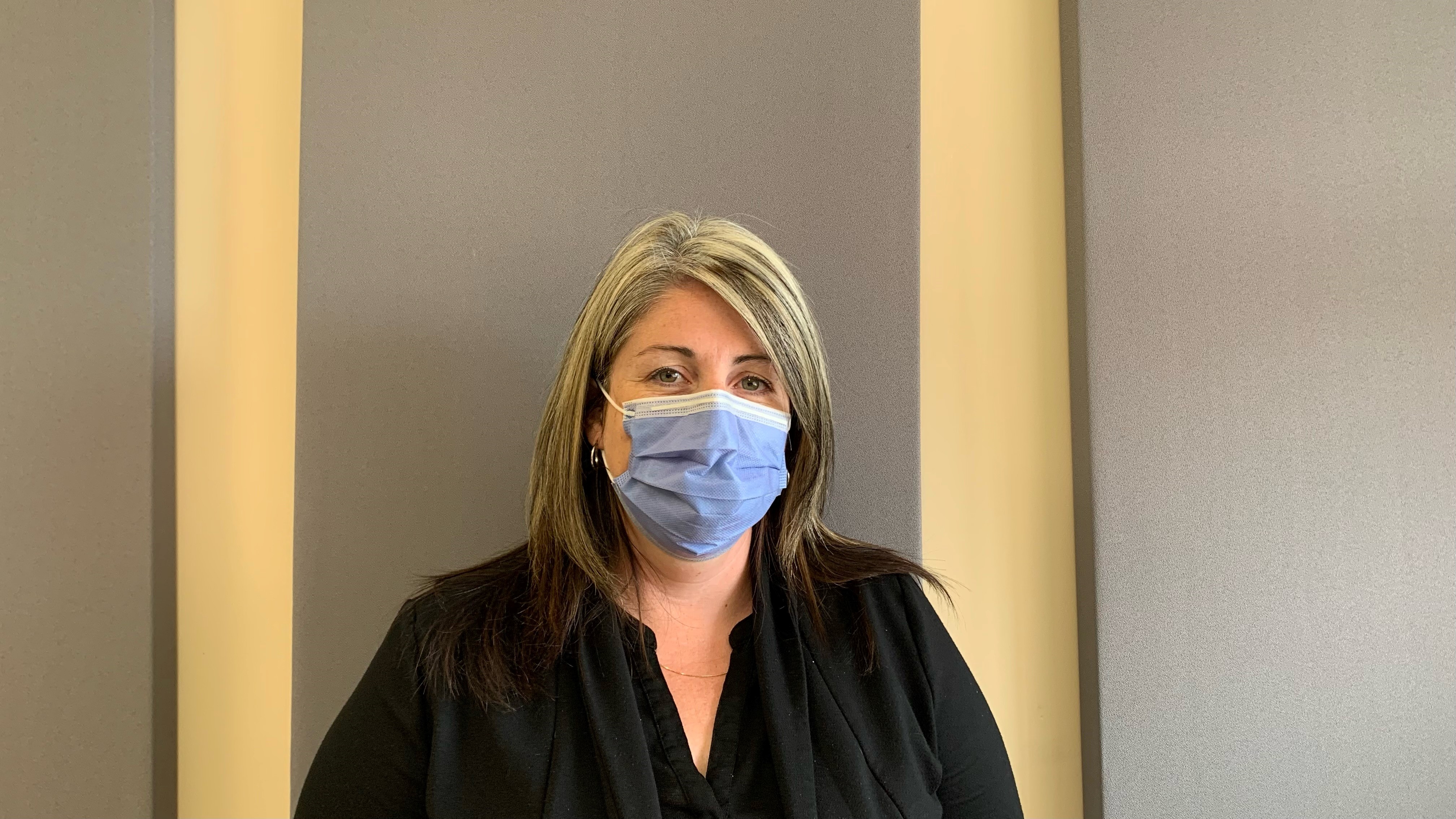
Emily Grills decided to work in mental health because of her passion to help people find joy in their lives. This continues to drive her work today as Program Coordinator for the Campbellford and District Community Mental Health Centre.
As with many aspects of health care, the COVID-19 pandemic redefined how Emily and her team delivered mental health services. What did not change, however, was their commitment to doing everything possible to best support their clients and their overall well-being.
Finding new ways to continue supporting clients
When the pandemic struck, Emily and her colleagues were directed to move from the office to working from home, and virtual care became the primary way of delivering services.
“There was a worry among the team about our clients and what technology they had in the home,” shared Emily. “Some of our clients use pre-paid cell phones, so when you’re talking about an hour-long counselling or psychiatry appointment, that time would be eaten up quickly.”
To address this, the team made arrangements for those clients to have additional time added to their phones so they could fully participate in their appointments.
The team adapted quickly and developed new skills to incorporate technology into their clinical work, including the use of mental health apps and digital worksheets. While the team has since returned to the office, clients continue to have the option of virtual appointments if they prefer.
“Virtual care has become a standard practice and about half our clients still choose to do virtual appointments,” Emily noted. “It has allowed us to better support clients who face transportation barriers, which is common in a rural community.”
Proudest contribution
Looking back over the past two years, Emily reflected on how concerned she and her team were for their clients’ well-being during the height of the pandemic.
“With so many places shutting down and not offering services due to COVID, we worried that some of our clients might be without access to groceries or items to protect themselves,” she said.
The team came together to contact clients, assess their needs, and assemble care packages that were delivered directly to their homes. These included fresh produce, perishable and non-perishable food items, toiletries, hand sanitizer, crossword puzzles, snacks, and games for households with children.
“It made us feel really proud as a team,” Emily shared. “I felt good knowing we were able to relieve some stress for individuals during a time of real uncertainty.”
